Level up your business with US.

- Home
- Machine Learning in Energy & Utilities: Grid Management, Consumption Prediction and Sustainable Innovation
Machine Learning in Energy & Utilities: Grid Management, Consumption Prediction and Sustainable Innovation
November 13, 2025 - Blog
Machine Learning in Energy & Utilities: Grid Management, Consumption Prediction and Sustainable Innovation
The global energy and utilities industry is undergoing a rapid transformation. Driven by climate concerns, digital innovation, and the demand for efficiency, companies are turning to Machine Learning (ML) to optimize energy consumption, predict demand, and manage complex grids in real time.
Machine learning algorithms are reshaping how energy is produced, distributed, and consumed. They process massive volumes of data—from sensors, smart meters, and IoT devices—to deliver actionable insights that enhance decision-making and operational efficiency.
In this blog, we explore how Machine Learning is revolutionizing the energy and utilities sector through intelligent grid management, consumption prediction, and sustainable innovation. We’ll also highlight how Code Driven Labs empowers energy companies to harness AI-driven technologies for smarter, greener, and more efficient operations.
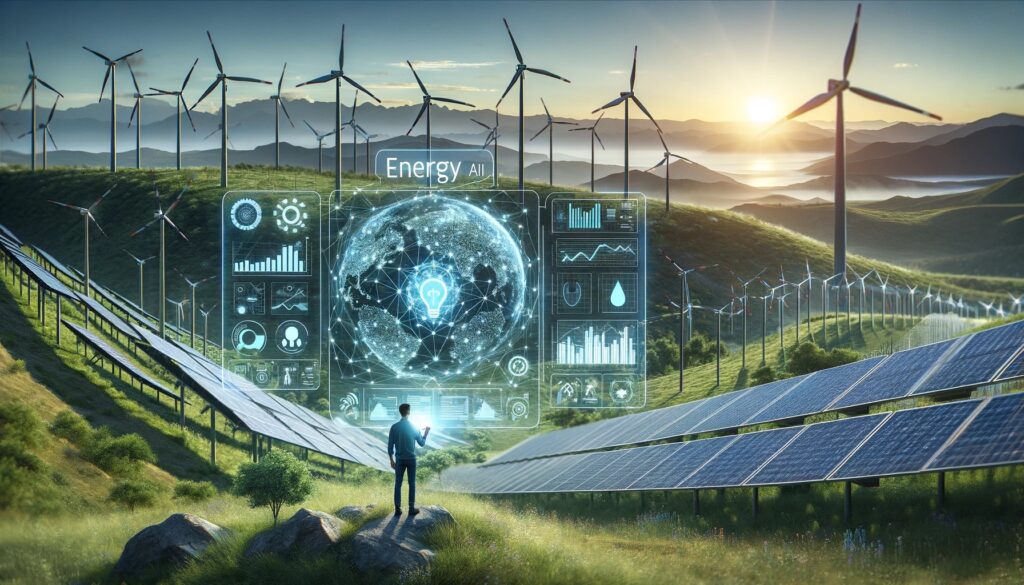
The Growing Role of Machine Learning in Energy
Traditional energy management systems were limited by human oversight and static models. Today, ML enables dynamic, data-driven decision-making that adapts to real-time variables like weather, demand surges, and equipment conditions.
Machine learning applications in energy include:
-
Predicting energy consumption patterns.
-
Managing grid stability and load balancing.
-
Enhancing renewable energy integration.
-
Detecting faults and preventing outages.
-
Enabling predictive maintenance for critical infrastructure.
By leveraging these capabilities, energy companies can reduce costs, improve reliability, and accelerate their transition toward sustainability.
1. Smart Grid Management with Machine Learning
The energy grid is the backbone of modern infrastructure—but it’s also highly complex. Balancing supply and demand across millions of consumers requires continuous monitoring and instant decision-making. Machine learning provides the intelligence needed for smart grid management.
How Machine Learning Optimizes the Grid
Machine learning models analyze data from sensors, meters, and distributed energy resources to predict and respond to fluctuations in electricity flow. These systems detect anomalies, forecast demand spikes, and automatically reroute energy to maintain grid stability.
For example:
-
Load Forecasting: Predicts hourly or daily energy requirements.
-
Fault Detection: Identifies potential outages before they happen.
-
Real-Time Balancing: Adjusts power distribution dynamically to maintain grid equilibrium.
ML also supports automated control systems that make grids more resilient against failures and cyber threats, ensuring a reliable power supply even under stress conditions.
Benefits of ML-Based Grid Systems
-
Improved operational efficiency.
-
Reduced power loss and outages.
-
Enhanced energy flow visualization.
-
Optimized integration of renewable sources.
By transforming the traditional power grid into an intelligent, adaptive network, machine learning paves the way for the future of smart energy infrastructure.
2. Consumption Prediction: Powering Smarter Energy Use
Predicting energy demand accurately is critical for balancing resources and reducing waste. Machine learning excels at consumption forecasting, enabling providers to align generation with usage and prevent overproduction.
How ML Enhances Forecasting Accuracy
Traditional forecasting models relied on historical averages, which often failed to capture dynamic factors such as weather changes, seasonal variations, and user behavior. Machine learning, however, continuously learns from vast datasets to provide precise, real-time predictions.
By analyzing:
-
Smart meter data
-
Temperature and climate conditions
-
Economic activity
-
Consumer patterns
ML algorithms can predict not only when energy will be needed but also where and how much will be consumed.
Benefits for Providers and Consumers
-
Energy Efficiency: Providers can plan optimal generation schedules.
-
Cost Reduction: Prevents overproduction and storage losses.
-
Customer Awareness: Consumers gain insights into their usage and cost-saving opportunities.
In residential and commercial contexts, machine learning-driven prediction tools help users make informed decisions—such as adjusting heating or cooling based on demand trends—promoting sustainable consumption habits.
3. Predictive Maintenance: Avoiding Downtime and Asset Failures
The energy and utilities sector depends heavily on large-scale equipment and infrastructure—turbines, transformers, pipelines, and substations. Unplanned downtime can result in massive financial and operational losses.
Machine learning enables predictive maintenance, helping detect potential failures before they occur.
How It Works
ML models analyze sensor data like vibration, temperature, and pressure to identify unusual patterns that may indicate wear or malfunction. The system then alerts operators to perform maintenance before a breakdown happens.
This proactive approach ensures:
-
Reduced equipment downtime.
-
Lower maintenance costs.
-
Extended asset lifespan.
-
Improved safety and reliability.
Energy companies adopting predictive analytics achieve higher uptime, improved resource allocation, and significant cost savings.
4. Enabling Renewable Energy Integration
The shift toward renewable energy sources such as solar and wind presents new challenges—chiefly, their intermittent nature. Machine learning plays a crucial role in balancing renewable energy supply with demand and ensuring efficient grid integration.
ML Applications in Renewables
-
Weather Forecasting Models: Predict solar radiation and wind speed for optimized generation.
-
Dynamic Load Balancing: Allocates renewable output based on consumption and grid conditions.
-
Battery Storage Optimization: Determines the best times to store or release energy.
By optimizing renewable inputs, ML ensures stability even when natural conditions fluctuate, supporting the global move toward clean, sustainable energy ecosystems.
5. Sustainability and Carbon Reduction Through AI
Machine learning also helps energy companies track, measure, and reduce their carbon footprint. Through data-driven sustainability analytics, organizations can monitor emissions, identify inefficiencies, and automate green initiatives.
For instance, ML can:
-
Analyze industrial processes to minimize waste.
-
Optimize energy routes to lower transmission losses.
-
Recommend eco-efficient strategies based on real-time data.
The combination of ML and sustainability insights enables utilities to meet net-zero goals while maintaining profitability and reliability.
6. Enhancing Customer Experience in Energy Services
Beyond infrastructure management, machine learning transforms customer engagement in the utilities sector.
ML-driven chatbots and virtual assistants can handle billing queries, consumption reports, and energy-saving tips. Personalized dashboards powered by AI allow consumers to monitor usage, receive alerts, and set sustainability goals—all of which improve transparency and satisfaction.
By empowering customers with data-driven insights, machine learning fosters a more interactive, informed, and responsible energy culture.
How Code Driven Labs Helps Energy Companies Harness Machine Learning
Code Driven Labs is at the forefront of developing AI-powered solutions for the energy and utilities sector. Through advanced data analytics, predictive modeling, and intelligent automation, Code Driven Labs helps energy providers transform operations, reduce waste, and accelerate digital transformation.
1. Smart Grid and Monitoring Solutions
Code Driven Labs builds AI-integrated platforms that enable real-time grid monitoring, fault detection, and automated energy balancing. These systems analyze live data from IoT sensors and provide actionable insights to improve grid performance.
2. Predictive Analytics and Forecasting Tools
Using machine learning models, Code Driven Labs delivers high-accuracy demand forecasting tools that help providers optimize energy generation and distribution while maintaining cost-efficiency and sustainability.
3. Predictive Maintenance Systems
Code Driven Labs designs custom solutions that monitor asset health, detect anomalies, and schedule maintenance intelligently—ensuring maximum uptime and reduced operational risks.
4. Renewable Energy Optimization
With expertise in data science and environmental analytics, Code Driven Labs creates ML models that optimize renewable energy integration, improving both efficiency and reliability of hybrid grids.
5. Data Security and Compliance
Recognizing the sensitivity of energy data, Code Driven Labs ensures secure AI implementation with robust encryption, compliance frameworks, and ethical data governance.
6. Custom AI Dashboards and Insights
The company develops intuitive dashboards that allow energy managers to visualize data, monitor KPIs, and make informed, data-driven decisions.
Conclusion
Machine learning is redefining how the energy and utilities industry operates—making systems smarter, more sustainable, and more resilient. From predictive grid management and consumption forecasting to renewable optimization and carbon reduction, ML empowers companies to make informed, efficient, and eco-friendly decisions.
As the world shifts toward clean energy and smart infrastructure, partnering with experts like Code Driven Labs ensures seamless AI integration that enhances performance and supports long-term sustainability.
With tailored ML solutions, Code Driven Labs helps energy providers optimize resources, predict challenges, and innovate sustainably—powering a future where technology and sustainability work hand in hand.