Level up your business with US.
- Home
- How to Build a Successful Automation Testing Framework from Scratch
How to Build a Successful Automation Testing Framework from Scratch
December 2, 2025 - Blog
How to Build a Successful Automation Testing Framework from Scratch
Automation testing has become a critical pillar for modern software development teams aiming to deliver high-quality applications at speed. With increasing complexity in digital ecosystems, manual testing alone is no longer enough to meet evolving user expectations, faster release cycles, and multi-platform compatibility. Building a robust automation testing framework from scratch empowers teams to streamline testing efforts, standardize processes, improve reliability, and accelerate product delivery through continuous validation.
In this detailed guide, you will learn what an automation testing framework is, the essential components that make it successful, how to build it step by step, and how Code Driven Labs helps organizations implement powerful, scalable automation frameworks tailored to their unique needs.
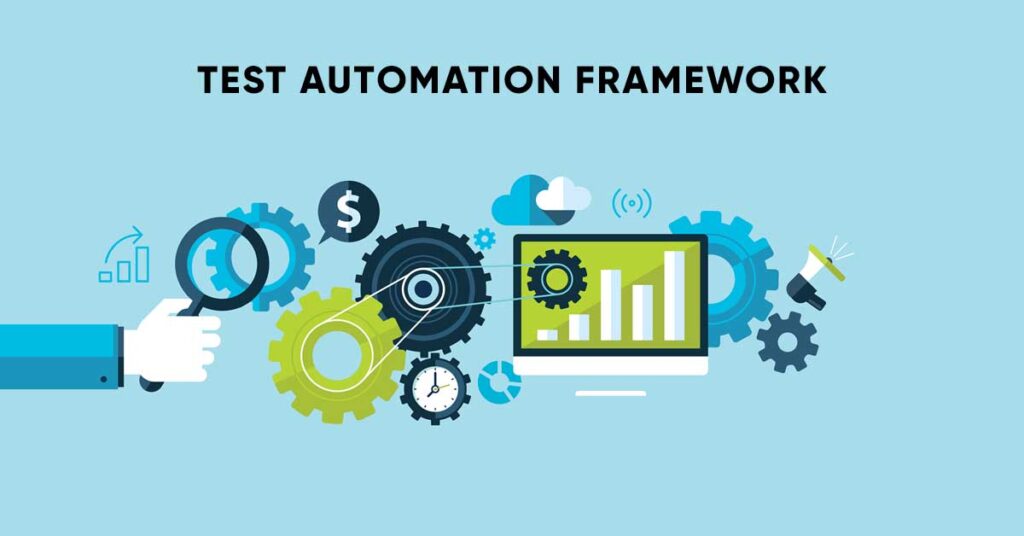
What Is an Automation Testing Framework?
An automation testing framework is a structured set of tools, standards, guidelines, and reusable components that support automated test creation, execution, and maintenance.
It ensures:
-
Consistent testing processes
-
Reusable scripts
-
Maintainable codebase
-
Seamless integration with CI/CD pipelines
-
Scalable cross-platform test coverage
-
Faster defect detection
A well-built framework significantly reduces testing time and increases overall software quality.
Why Building an Automation Framework from Scratch Matters
Many companies rely on off-the-shelf tools, but a customized automation framework offers benefits aligned directly to business requirements such as:
-
Better flexibility
-
Lower long-term maintenance cost
-
Support for multiple technologies
-
Enhanced test execution speed
-
Better version control and reporting
-
Complete integration with DevOps
Building from scratch ensures the framework fits the application’s architecture rather than trying to force the application to fit the tool.
Key Components of a Successful Automation Testing Framework
Before you begin building one, it is essential to understand the core components every automation framework should include.
1. Test Runner
Responsible for executing test cases, managing test flow, and generating results.
Examples:
-
TestNG
-
PyTest
-
JUnit
2. Test Scripts
Reusable scripts written using libraries like Selenium, Playwright, Appium, or API tools.
3. Object Repository
A centralized location that stores locators of elements.
It helps in easy maintenance and script reusability.
4. Logging & Reporting
Comprehensive reporting helps teams analyze failures, coverage, and performance.
Tools used:
-
Allure Reports
-
Extent Reports
5. CI/CD Integration
To automate test runs on every commit or build.
Platforms:
-
Jenkins
-
GitHub Actions
-
GitLab CI
6. Test Data Management
Data should be externalized, managed effectively, and reusable.
7. Version Control
Git-based systems allow better collaboration and tracking.
8. Utilities & Helper Functions
Reusable utility methods reduce duplication and improve efficiency.
Types of Automation Frameworks
Several frameworks are used depending on the application and team needs:
-
Linear Framework
-
Modular Framework
-
Data-Driven Framework
-
Keyword-Driven Framework
-
Hybrid Framework
-
Behavior-Driven Development (BDD) Framework
Most modern teams use a hybrid or BDD framework due to its flexibility and collaboration benefits.
Step-by-Step Guide: How to Build an Automation Testing Framework from Scratch
Here is a comprehensive roadmap to designing a framework that is scalable, maintainable, and future ready.
Step 1: Define Project Requirements and Scope
Start by identifying:
-
Platforms to test (web, mobile, API, desktop)
-
Technologies used
-
Browsers and devices
-
Team skillset
-
Execution environments (local, cloud, containers)
A clear scope guides tool selection and architecture design.
Step 2: Choose the Right Automation Tools
Tool selection is the foundation of a strong framework.
Based on the project type:
For Web Testing:
-
Selenium
-
Playwright
-
Cypress
For Mobile Testing:
-
Appium
-
Detox
For API Testing:
-
Postman
-
RestAssured
-
Karate
Selecting widely supported tools ensures long-term stability and effective scaling.
Step 3: Select a Programming Language
Choose a language that aligns with team skills and ecosystem compatibility.
Popular languages:
-
Python
-
Java
-
JavaScript
-
C#
These languages have extensive libraries, community support, and debugging capabilities.
Step 4: Design Framework Architecture
Planning the architecture is critical. Follow principles like:
-
Separation of concerns
-
Modular structure
-
Reusable components
-
Configurable parameters
Common folders include:
-
Tests
-
Pages
-
Utilities
-
Config
-
Reports
-
Data
A clean structure improves readability and long-term maintenance.
Step 5: Implement Page Object Model (POM)
POM is the industry-standard design pattern for UI automation.
Benefits:
-
Reduces code duplication
-
Improves maintainability
-
Makes scripts easier to read
Each page of the application gets its own class with functions and locators.
Step 6: Integrate Test Runner & Test Assertions
Use frameworks like TestNG, JUnit, PyTest, or Mocha to:
-
Control test execution
-
Group test cases
-
Run parallel tests
-
Manage dependencies
Assertions validate test outcomes automatically.
Step 7: Build a Strong Test Data Strategy
Use external files like:
-
JSON
-
CSV
-
Excel
-
SQL database
Data-driven testing increases coverage and prevents hardcoded values.
Step 8: Add Reporting & Logging Mechanisms
Reports should include:
-
Pass/fail ratio
-
Screenshot on failure
-
Execution time
-
Test steps
-
Exception details
Good reporting accelerates debugging and decision-making.
Step 9: Integrate with CI/CD Pipelines
Continuous testing ensures faster feedback loops.
Integrating with Jenkins, AWS CodePipeline, or Azure DevOps enables:
-
Automatic test execution
-
Scheduled runs
-
Environment-specific testing
-
Faster deployment cycles
Step 10: Optimize for Scalability and Parallel Execution
Modern applications require high execution speeds.
Use:
-
Selenium Grid
-
Docker
-
Cloud testing platforms like BrowserStack or LambdaTest
Parallelization reduces execution time dramatically.
Step 11: Implement AI-Based Enhancements (2026 Best Practices)
In 2026, AI plays a huge role in automation frameworks.
Enhancements include:
-
Self-healing test scripts
-
Predictive failure analysis
-
Intelligent element detection
-
Smart test generation
Adding these capabilities future-proofs the framework.
Step 12: Establish a Maintenance Process
Automation requires ongoing improvement.
Make sure the framework supports:
-
Easy updates
-
Maximum reusability
-
Version control
-
Regular refactoring
A well-maintained framework stays efficient over many years.
How Code Driven Labs Helps You Build a Successful Automation Framework
Code Driven Labs specializes in designing, implementing, and optimizing automation testing frameworks tailored to the specific needs of businesses across different industries. Their expertise ensures organizations avoid common pitfalls and adopt best practices from day one.
Here is how they support you:
1. End-to-End Automation Strategy Development
Code Driven Labs helps define:
-
Testing goals
-
Framework architecture
-
Tools and language selection
-
Best-fit design patterns
-
CI/CD integration strategy
This ensures your automation foundation is strong and scalable.
2. Building Custom, Scalable Frameworks
They create fully customized automation frameworks for:
-
Web applications
-
Mobile applications
-
APIs
-
Cloud platforms
-
Microservices
Every framework is optimized for performance, maintainability, and future expansion.
3. AI-Powered Framework Enhancement
With modern AI-driven capabilities, Code Driven Labs integrates:
-
Smart locator strategies
-
Self-healing scripts
-
Predictive analytics
-
Intelligent test prioritization
These features reduce maintenance cost and improve test reliability.
4. CI/CD Pipeline and DevOps Integration
They build fully automated pipelines that include:
-
Version control setup
-
Continuous testing
-
Automated deployments
-
Parallel execution
This shortens release cycles and improves product quality.
5. Ongoing Support, Training & Optimization
They provide:
-
Maintenance of test environments
-
Team training
-
Regular framework audits
-
Performance tuning
This ensures your automation ecosystem continues to grow and evolve smoothly.
Conclusion
Building a successful automation testing framework from scratch requires strategic planning, robust architecture, the right tools, and advanced implementation techniques. A powerful framework accelerates development, improves quality, increases test coverage, and reduces long-term costs.
With the specialized expertise of Code Driven Labs, businesses gain a future-ready automation ecosystem built on industry best practices, AI-driven enhancements, and scalable architectures. Their end-to-end support ensures consistent testing efficiency, faster releases, and long-term ROI.