Level up your business with US.
- Home
- Generative AI in IT: Practical Use Cases, Benefits & Risks for 2026
Generative AI in IT: Practical Use Cases, Benefits & Risks for 2026
January 19, 2026 - Blog
Generative AI in IT: Practical Use Cases, Benefits & Risks for 2026
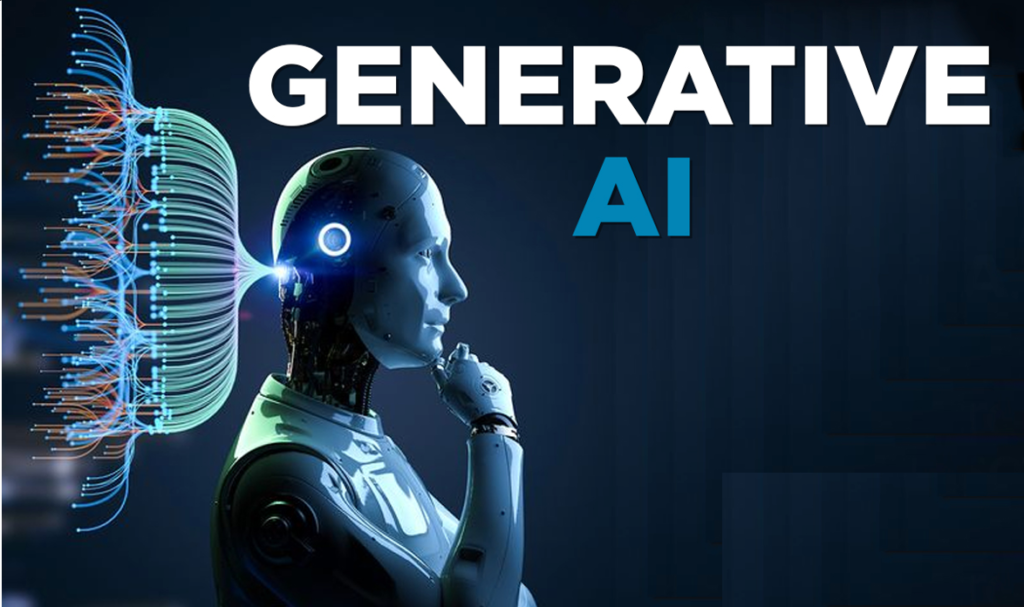
Generative AI is no longer an experimental technology reserved for research labs. By 2026, it is becoming a foundational capability in IT departments across industries. From writing and reviewing code to automating IT operations and enhancing cybersecurity, Generative AI is transforming how IT teams build, manage, and optimize digital systems.
However, along with powerful benefits come serious risks related to security, accuracy, governance, and ethics. Understanding how to use Generative AI responsibly will be a defining factor for successful IT strategies in the coming years.
This blog explores the practical use cases of Generative AI in IT, the key benefits organizations can unlock, the major risks they must manage, and how Code Driven Labs helps enterprises adopt Generative AI safely and effectively.
What Is Generative AI and Why It Matters for IT?
Generative AI refers to machine learning models that can create new content such as text, code, images, configurations, and documentation. In IT, this means systems that can:
-
Generate and review source code
-
Design system architectures
-
Automate IT workflows
-
Assist with troubleshooting and support
Unlike traditional automation, Generative AI can reason, explain, and adapt—making it a powerful assistant for IT professionals.
By 2026, Generative AI will be embedded in IDEs, cloud platforms, DevOps tools, and enterprise software.
Practical Use Cases of Generative AI in IT
1. AI-Powered Software Development
Generative AI is redefining how software is written and maintained.
Key applications include:
-
Code generation and auto-completion
-
Bug detection and fix suggestions
-
Code refactoring and optimization
-
Test case generation
This reduces development time while improving code quality and consistency.
2. Intelligent DevOps and IT Automation
In DevOps, Generative AI supports:
-
Automated pipeline creation
-
Configuration generation for infrastructure
-
Root cause analysis for failures
-
Self-healing systems
By analyzing logs and metrics, AI can proactively detect and resolve operational issues.
3. IT Service Desk and Support Automation
Generative AI-powered virtual agents can:
-
Resolve common IT issues instantly
-
Guide users through troubleshooting steps
-
Generate support tickets automatically
-
Create and update knowledge base articles
This significantly reduces workload on IT support teams.
4. Cloud and Infrastructure Design
AI systems can assist IT architects by:
-
Recommending optimal cloud architectures
-
Estimating infrastructure costs
-
Designing scalable microservices
-
Generating deployment templates
This improves decision-making speed and design quality.
5. Cybersecurity and Threat Intelligence
Generative AI helps in:
-
Simulating cyberattack scenarios
-
Generating security policies and reports
-
Analyzing threat patterns
-
Recommending mitigation strategies
At the same time, attackers may also use Generative AI, making defense strategies even more critical.
6. IT Documentation and Compliance Automation
Generative AI can automatically:
-
Generate system documentation
-
Summarize configuration changes
-
Create audit and compliance reports
-
Maintain SOPs and runbooks
This ensures documentation remains accurate and audit-ready.
Key Benefits of Generative AI in IT
1. Higher Productivity Across IT Teams
By automating repetitive tasks, Generative AI allows IT professionals to focus on architecture, innovation, and optimization.
2. Faster Software Delivery and Deployment
AI-assisted development shortens coding, testing, and deployment cycles, enabling faster releases with fewer defects.
3. Improved Operational Efficiency
AI-driven automation reduces downtime, improves incident resolution time, and optimizes system performance.
4. Better Decision Support
Generative AI analyzes system data and generates insights that help IT leaders make informed infrastructure and investment decisions.
5. Cost Optimization
By optimizing cloud usage, automating operations, and reducing manual effort, Generative AI helps lower IT operating costs.
Major Risks and Challenges of Generative AI in IT
1. Security and Data Privacy Risks
Generative AI models may:
-
Leak sensitive data
-
Store confidential information in training data
-
Generate insecure code
Strict access control and data governance are essential.
2. Inaccurate or Misleading Outputs
AI systems may produce hallucinated or incorrect results, which can cause serious failures if blindly trusted.
Human validation remains critical.
3. Compliance and Regulatory Challenges
Organizations must ensure AI usage complies with:
-
Data protection laws
-
Industry regulations
-
Internal governance policies
Failure to comply can result in legal and financial risks.
4. Over-Reliance on AI
Excessive dependence on AI-generated code and decisions can reduce human expertise and introduce hidden technical debt.
5. Integration and Change Management
Integrating Generative AI into legacy IT systems requires strong architecture planning, training, and organizational change management.
Best Practices for Using Generative AI in IT by 2026
To adopt Generative AI responsibly, organizations should:
-
Define clear and limited AI use cases
-
Implement human-in-the-loop validation
-
Establish AI governance and ethics policies
-
Secure training and inference data
-
Monitor AI outputs continuously
-
Integrate AI with MLOps and DevOps pipelines
Responsible adoption is the key to long-term success.
How Code Driven Labs Helps Organizations Adopt Generative AI in IT
Code Driven Labs helps enterprises adopt Generative AI in a secure, scalable, and business-aligned manner.
AI Strategy and Use Case Design
They identify high-impact Generative AI use cases aligned with business and IT goals.
Secure AI Architecture
Code Driven Labs designs architectures that protect sensitive data and ensure controlled AI access.
AI + DevOps Integration
They integrate Generative AI into development tools, CI/CD pipelines, and IT operations for seamless automation.
Governance and Risk Management
They implement AI governance frameworks covering compliance, explainability, and ethical use.
Custom Generative AI Solutions
From AI-powered development tools to intelligent IT support systems, they build solutions tailored to enterprise needs.
By combining AI expertise with strong software engineering, Code Driven Labs ensures Generative AI delivers real business value without compromising security or compliance.
The Road Ahead: Generative AI as a Core IT Capability
By 2026, Generative AI will be deeply embedded into:
-
Development environments
-
IT operations platforms
-
Cloud management systems
-
Enterprise applications
Organizations that adopt it early—while managing risks—will gain a lasting competitive advantage.
Final Thoughts
Generative AI is transforming IT from manual operations to intelligent, self-optimizing systems. While the benefits are immense, success depends on responsible adoption, strong governance, and expert implementation.
With the right strategy and partners like Code Driven Labs, organizations can harness Generative AI to build faster, smarter, and more resilient IT ecosystems.