Level up your business with US.
- Home
- Generative AI in IT: Practical Use Cases, Benefits & Risks for 2026
Generative AI in IT: Practical Use Cases, Benefits & Risks for 2026
January 13, 2026 - Blog
Generative AI in IT: Practical Use Cases, Benefits & Risks for 2026
Generative AI is rapidly reshaping the IT industry. What began as experimental tools for text and image generation has evolved into powerful systems that can write code, design architectures, automate workflows, and support enterprise decision-making. As we move into 2026, Generative AI is no longer a “nice-to-have” innovation—it is becoming a core capability in modern IT operations.
This blog explores practical use cases of Generative AI in IT, the key benefits organizations can expect, the risks and challenges to manage, and how Code Driven Labs helps businesses adopt Generative AI responsibly and effectively.
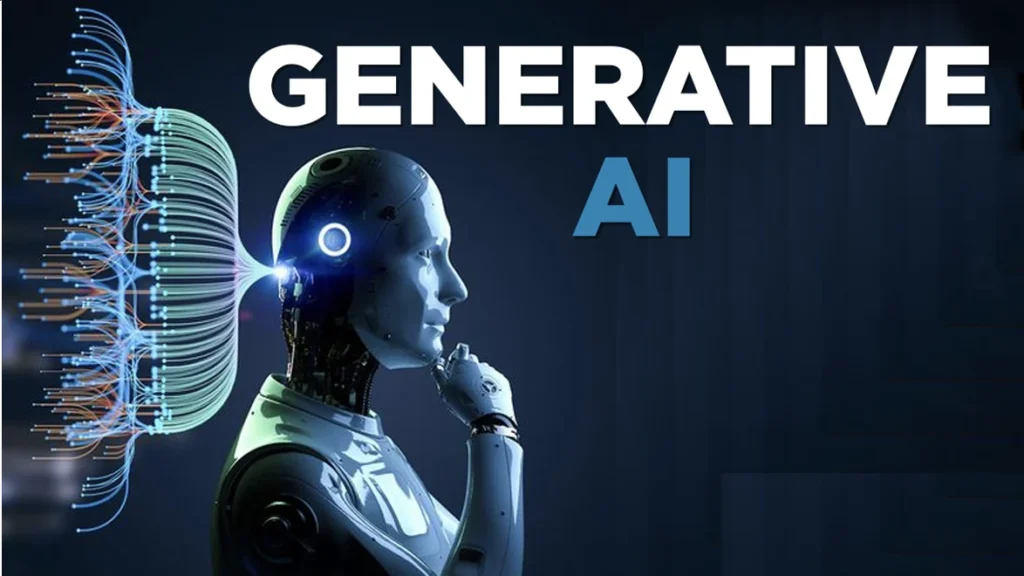
What Is Generative AI in the IT Context?
Generative AI refers to machine learning models—such as large language models (LLMs), generative code models, and multimodal systems—that can create new content rather than just analyze data. In IT, this includes:
-
Generating and reviewing code
-
Automating IT documentation
-
Assisting in system design and debugging
-
Enhancing IT support and operations
By 2026, Generative AI will be deeply embedded into development tools, cloud platforms, and enterprise software systems.
Practical Use Cases of Generative AI in IT
1. AI-Assisted Software Development
Generative AI tools help developers:
-
Write boilerplate code
-
Suggest optimized functions
-
Identify bugs and vulnerabilities
-
Refactor legacy code
This significantly improves developer productivity while reducing time-to-market for applications.
2. Intelligent DevOps and Automation
In IT operations, Generative AI supports:
-
Automated infrastructure scripts
-
CI/CD pipeline optimization
-
Incident response recommendations
-
Root cause analysis for system failures
By analyzing logs and system data, AI can proactively identify and resolve issues.
3. IT Support and Service Desk Automation
Generative AI-powered chatbots and virtual assistants can:
-
Resolve common IT issues
-
Guide users through troubleshooting steps
-
Automatically create and update tickets
-
Generate knowledge base articles
This reduces support costs while improving user satisfaction.
4. Cloud Architecture and System Design
Generative AI can assist IT architects by:
-
Recommending cloud configurations
-
Optimizing resource allocation
-
Designing scalable microservices architectures
-
Estimating infrastructure costs
This enables faster and more informed IT decision-making.
5. Cybersecurity and Threat Analysis
In cybersecurity, Generative AI helps:
-
Generate threat simulations
-
Analyze attack patterns
-
Recommend security controls
-
Automate security documentation
However, it also introduces new security risks that must be carefully managed.
6. IT Documentation and Knowledge Management
Generative AI can automatically:
-
Create technical documentation
-
Summarize system changes
-
Update SOPs and compliance reports
This ensures documentation stays accurate and up to date.
Key Benefits of Generative AI in IT
1. Increased Productivity and Efficiency
By automating repetitive tasks, Generative AI allows IT teams to focus on higher-value work such as system design, innovation, and optimization.
2. Faster Software Delivery
AI-assisted development and testing shorten development cycles, enabling faster releases without compromising quality.
3. Improved Decision-Making
Generative AI can analyze large volumes of system data and generate insights that help IT leaders make informed strategic decisions.
4. Cost Optimization
AI-driven recommendations help optimize cloud usage, reduce downtime, and lower operational costs.
5. Enhanced User Experience
Smarter IT support systems improve response times and resolution quality, leading to better internal and external user experiences.
Risks and Challenges of Generative AI in IT
1. Security and Data Privacy Risks
Generative AI models may inadvertently expose sensitive data if not properly governed. Training and inference data must be carefully controlled.
2. Inaccurate or Hallucinated Outputs
AI-generated responses may sometimes be incorrect or misleading, which can be dangerous in production IT environments.
3. Over-Reliance on AI
Excessive dependence on AI-generated code or decisions can lead to skill degradation and hidden technical debt.
4. Compliance and Governance Issues
Organizations must ensure Generative AI usage complies with industry regulations, internal policies, and ethical standards.
5. Integration Complexity
Integrating Generative AI into existing IT systems requires strong architecture planning and engineering expertise.
Best Practices for Adopting Generative AI in IT by 2026
To maximize benefits and minimize risks, organizations should:
-
Define clear AI use cases aligned with business goals
-
Implement human-in-the-loop validation
-
Establish AI governance and security frameworks
-
Monitor AI outputs continuously
-
Integrate Generative AI with MLOps and DevOps pipelines
How Code Driven Labs Helps Organizations Use Generative AI Effectively
Code Driven Labs enables businesses to adopt Generative AI in IT in a secure, scalable, and business-focused manner.
Custom Generative AI Solutions
They design and implement AI solutions tailored to specific IT workflows, from development automation to IT support systems.
Secure AI Architecture
Code Driven Labs ensures data privacy, access controls, and secure model deployment aligned with enterprise standards.
AI + DevOps Integration
They integrate Generative AI into CI/CD pipelines, DevOps workflows, and cloud platforms for seamless automation.
Governance and Risk Management
Code Driven Labs helps organizations implement AI governance frameworks to manage accuracy, compliance, and ethical risks.
Business-Driven Implementation
Rather than generic AI adoption, Code Driven Labs focuses on measurable outcomes such as productivity gains, cost savings, and faster delivery.
Looking Ahead: Generative AI as a Core IT Capability
By 2026, Generative AI will be deeply embedded in IT operations, development environments, and enterprise platforms. Organizations that adopt it strategically—while managing risks—will gain a significant competitive advantage.
Success will depend not just on using AI tools, but on integrating them into robust, secure, and scalable IT ecosystems.
Final Thoughts
Generative AI is transforming IT from reactive support functions into proactive, intelligent systems. With the right strategy, governance, and technical expertise, businesses can unlock powerful efficiencies while minimizing risks.
Partnering with experienced technology teams like Code Driven Labs ensures that Generative AI adoption delivers real business value—today and in the future.