- Home
- How AI and Machine Learning Are Transforming Software Engineering
How AI and Machine Learning Are Transforming Software Engineering
January 8, 2026 - Blog
How AI & Machine Learning Are Transforming Software Engineering
Software engineering has always evolved alongside technological advances. From structured programming to agile development and cloud-native architectures, each shift has redefined how software is built and delivered. Today, Artificial Intelligence (AI) and Machine Learning (ML) represent the next major transformation—reshaping every phase of the software engineering lifecycle.
In 2026 and beyond, AI and ML are not just tools used within applications; they are actively changing how software itself is engineered. This blog explores how AI and ML are transforming software engineering, key use cases, benefits, challenges, and how Code Driven Labs helps organizations embrace this shift.
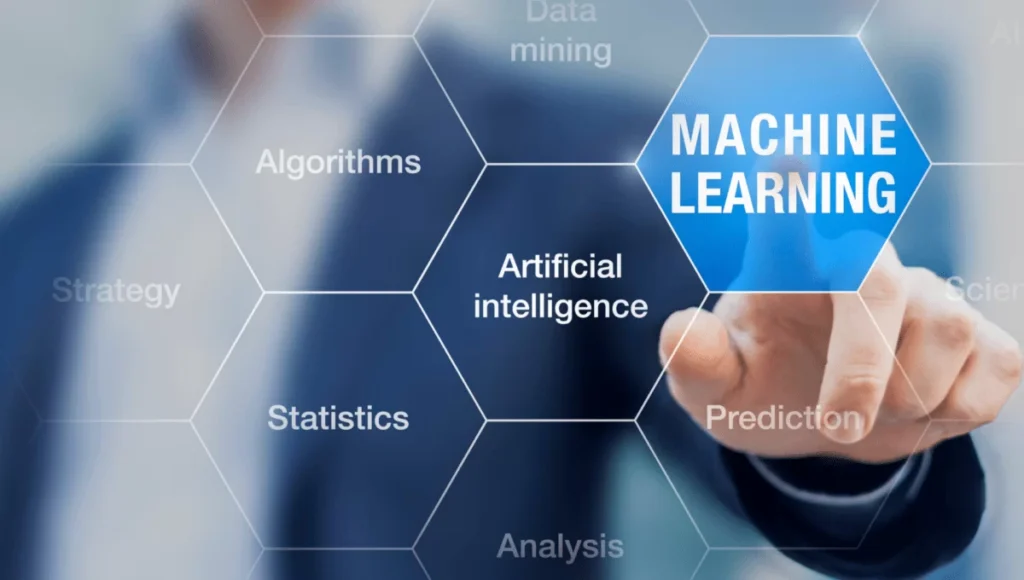
The Role of AI & ML in Modern Software Engineering
AI and ML enable software systems to:
-
Learn from data
-
Adapt to changing conditions
-
Automate complex tasks
-
Improve continuously over time
For software engineers, this means moving beyond static code to building intelligent, data-driven systems.
1. AI-Assisted Software Development
One of the most visible changes is the rise of AI-assisted development tools.
How AI Supports Developers
-
Intelligent code suggestions
-
Automated code completion
-
Bug detection and fixes
-
Code refactoring recommendations
These tools improve productivity, reduce errors, and help teams write higher-quality code faster.
2. Automated Testing and Quality Assurance
Testing is a critical but time-consuming part of software engineering. AI and ML are revolutionizing QA by:
-
Automatically generating test cases
-
Predicting high-risk areas in code
-
Detecting anomalies and regressions
-
Improving test coverage
This leads to faster releases with higher confidence.
3. Predictive Maintenance and Monitoring
AI-powered monitoring systems analyze logs, metrics, and usage patterns to:
-
Predict system failures
-
Detect performance degradation
-
Identify security threats
Instead of reacting to issues, software teams can prevent them proactively.
4. Intelligent Software Architecture and Design
AI assists architects by:
-
Analyzing system usage patterns
-
Recommending scalable architectures
-
Optimizing performance and resource utilization
Machine learning models help simulate outcomes before systems go live.
5. Data-Driven Decision Making in Engineering
AI enables engineering teams to:
-
Measure technical debt
-
Optimize development workflows
-
Improve sprint planning
Data-driven insights replace intuition with evidence-based decisions.
6. MLOps: Engineering for Machine Learning Systems
As ML models become core components of software systems, new engineering practices emerge.
Key MLOps Capabilities
-
Automated model deployment
-
Continuous monitoring and retraining
-
Version control for models and data
-
Scalable ML pipelines
MLOps ensures AI systems are reliable, maintainable, and production-ready.
7. AI-Powered Personalization in Applications
Modern software increasingly delivers personalized experiences.
Examples
-
Recommendation engines
-
Dynamic user interfaces
-
Personalized workflows
AI-driven personalization improves user satisfaction and engagement.
8. Low-Code, Automation, and AI Integration
AI accelerates low-code development by:
-
Generating workflows automatically
-
Optimizing business rules
-
Enabling non-engineers to contribute
This allows engineering teams to focus on complex, high-impact work.
9. Security and Risk Management with AI
AI enhances software security by:
-
Detecting vulnerabilities in code
-
Monitoring unusual system behavior
-
Automating threat response
AI-driven security systems adapt faster than traditional rule-based approaches.
Benefits of AI & ML in Software Engineering
Organizations adopting AI-driven engineering benefit from:
-
Faster development cycles
-
Reduced operational costs
-
Improved software quality
-
Enhanced scalability
-
Smarter applications
AI transforms engineering teams into high-impact innovation units.
Challenges of AI-Driven Software Engineering
Despite its benefits, AI adoption comes with challenges:
-
Data quality and availability
-
Model bias and explainability
-
Integration complexity
-
Skills gaps within teams
Addressing these challenges requires expertise and a structured approach.
How Code Driven Labs Helps Organizations Adopt AI & ML
Code Driven Labs helps businesses integrate AI and ML into software engineering practices effectively and responsibly.
1. AI-First Software Architecture
We design systems where:
-
AI and ML are core components
-
Data pipelines are scalable
-
Models integrate seamlessly with applications
Ensuring long-term flexibility and performance.
2. End-to-End MLOps Implementation
Code Driven Labs builds:
-
Automated ML pipelines
-
Model monitoring and retraining systems
-
Deployment and versioning frameworks
Making AI systems production-ready.
3. Intelligent Automation Solutions
We help organizations automate:
-
Development workflows
-
Testing and QA processes
-
Monitoring and maintenance
Reducing time-to-market and operational overhead.
4. Secure and Responsible AI Engineering
Our solutions emphasize:
-
Model transparency and explainability
-
Bias detection and mitigation
-
Compliance-ready architectures
Ensuring trust in AI-powered software.
5. Cloud-Native and Scalable Platforms
We deploy AI-driven systems on:
-
Cloud and hybrid environments
-
High-performance architectures
-
Cost-optimized infrastructures
Supporting enterprise-scale growth.
6. Team Enablement and Upskilling
Code Driven Labs supports:
-
AI and ML training for engineers
-
Best practices for AI-driven development
-
Knowledge transfer and documentation
Empowering teams to sustain innovation.
Industries Transformed by AI-Driven Engineering
AI and ML are transforming software across:
-
SaaS and technology companies
-
Finance and fintech
-
Healthcare and life sciences
-
Retail and e-commerce
-
Manufacturing and logistics
Every industry is becoming more intelligent and software-driven.
The Future of Software Engineering with AI
Looking ahead, software engineering will become:
-
More autonomous
-
More predictive
-
More data-driven
AI will act as a collaborator, not a replacement—augmenting human creativity and expertise.
Conclusion
AI and Machine Learning are redefining how software is engineered—from development and testing to deployment and monitoring. Organizations that embrace AI-driven engineering will build smarter, more resilient, and more scalable software systems.
With its expertise in AI, machine learning, MLOps, and modern software development, Code Driven Labs helps businesses navigate this transformation and unlock the full potential of intelligent software engineering.