- Home
- Data Science in Education: Personalized Learning and Student Analytics
Data Science in Education: Personalized Learning and Student Analytics
December 22, 2025 - Blog
Data Science in Education: Personalized Learning & Student Analytics
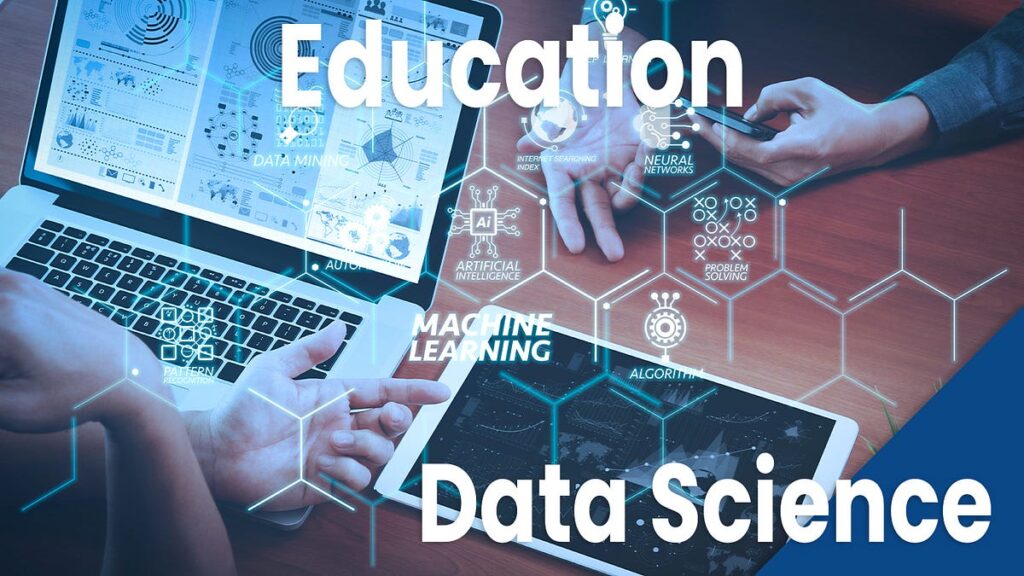
Education is undergoing a profound transformation. Traditional, one-size-fits-all teaching models are giving way to data-driven, personalized learning experiences. At the heart of this shift is data science, which enables educators and institutions to understand student behavior, improve learning outcomes, and make informed decisions at scale.
From adaptive learning platforms and predictive student analytics to early intervention systems, data science is reshaping how knowledge is delivered and measured. In this blog, we explore how data science is transforming education through personalized learning and student analytics—and how Code Driven Labs helps educational institutions unlock the full potential of their data.
The Evolution of Education Through Data
Historically, educational decisions were based on limited indicators such as exam scores, attendance, and teacher observations. While valuable, these measures provide only a partial view of student performance.
Today, digital learning environments generate vast amounts of data, including:
-
Learning management system (LMS) interactions
-
Assignment submissions and assessments
-
Video engagement and clickstream data
-
Discussion participation and collaboration patterns
Data science transforms this raw data into actionable insights that improve teaching and learning.
What Is Personalized Learning?
Personalized learning tailors educational content, pace, and teaching methods to individual student needs.
Key Dimensions of Personalization
-
Learning speed
-
Content difficulty
-
Preferred learning style
-
Knowledge gaps and strengths
Data science enables personalization at scale—something impossible through manual methods alone.
1. Adaptive Learning Pathways
Machine learning models analyze student behavior and performance to recommend customized learning paths.
How It Works
-
Models identify strengths and weaknesses
-
Content difficulty adjusts dynamically
-
Students receive targeted exercises and feedback
This approach improves engagement and reduces frustration, leading to better learning outcomes.
2. Student Performance Prediction
Predictive analytics helps institutions identify students who may struggle or drop out.
Common Prediction Use Cases
-
Course failure risk
-
Dropout probability
-
Exam performance forecasting
Early identification allows educators to intervene proactively—before issues become critical.
3. Learning Analytics for Educators
Data science provides teachers with deep insights into classroom dynamics.
Insights Include
-
Which concepts students find difficult
-
Engagement levels across lessons
-
Effectiveness of teaching methods
These insights empower educators to refine instruction and provide targeted support.
4. Intelligent Assessment and Feedback
Traditional assessments offer limited feedback.
Data-driven assessment systems:
-
Analyze response patterns
-
Detect misconceptions
-
Provide personalized feedback
This moves evaluation from grading to continuous improvement.
5. Curriculum Optimization Using Data
Institutions can use analytics to evaluate curriculum effectiveness.
Examples
-
Identifying low-performing modules
-
Comparing outcomes across cohorts
-
Aligning content with industry demands
Data science helps ensure curricula remain relevant and impactful.
6. Enhancing Student Engagement and Retention
Student analytics helps institutions understand what drives engagement.
Metrics Tracked
-
Platform activity
-
Content interaction
-
Collaboration frequency
Insights enable institutions to:
-
Improve course design
-
Increase retention rates
-
Enhance the overall learning experience
7. Supporting Inclusive and Equitable Education
Data science can highlight disparities in access and performance.
Benefits
-
Identifying underserved student groups
-
Tailoring interventions
-
Reducing achievement gaps
When used ethically, analytics promotes fairness and inclusion.
8. Real-Time Analytics for Decision-Making
Modern educational platforms leverage real-time analytics.
Use Cases
-
Monitoring live classroom engagement
-
Adjusting instruction instantly
-
Providing immediate student feedback
Real-time insights enable agile teaching and learning strategies.
Challenges in Implementing Data Science in Education
Despite its benefits, adoption comes with challenges:
-
Data privacy and security concerns
-
Ethical use of student data
-
Integration with legacy systems
-
Lack of analytics expertise
Successful implementation requires the right strategy and technology partner.
How Code Driven Labs Helps Transform Education with Data Science
Code Driven Labs partners with educational institutions, edtech companies, and training providers to deliver scalable, ethical, and impactful data science solutions.
1. Personalized Learning Solutions
We build adaptive learning systems that:
-
Customize content delivery
-
Optimize learning paths
-
Improve student outcomes
Designed to scale across classrooms and platforms.
2. Advanced Student Analytics
Code Driven Labs develops:
-
Performance prediction models
-
Engagement analytics dashboards
-
Early warning systems
Helping institutions support students proactively.
3. Secure and Compliant Data Platforms
We ensure:
-
Data privacy and protection
-
Compliance with education regulations
-
Secure data pipelines
Safeguarding sensitive student information.
4. AI-Powered Assessment Tools
Our solutions enable:
-
Automated grading
-
Intelligent feedback
-
Continuous evaluation
Reducing educator workload while improving learning quality.
5. Cloud-Native & Scalable Architecture
We design platforms that:
-
Integrate with LMS and SIS systems
-
Scale with growing student data
-
Deliver real-time insights
Supporting both on-campus and online learning models.
6. Business & Education-Focused Approach
We align analytics with:
-
Institutional goals
-
Teaching strategies
-
Learner success metrics
Ensuring technology serves education—not the other way around.
Conclusion
Data science is redefining education by enabling personalized learning, predictive insights, and evidence-based decision-making. When applied responsibly, it empowers educators, supports students, and enhances institutional effectiveness.
However, success depends on combining advanced analytics with ethical practices, secure infrastructure, and educational expertise. With its deep experience in AI and data science, Code Driven Labs helps educational institutions turn data into meaningful learning outcomes.